

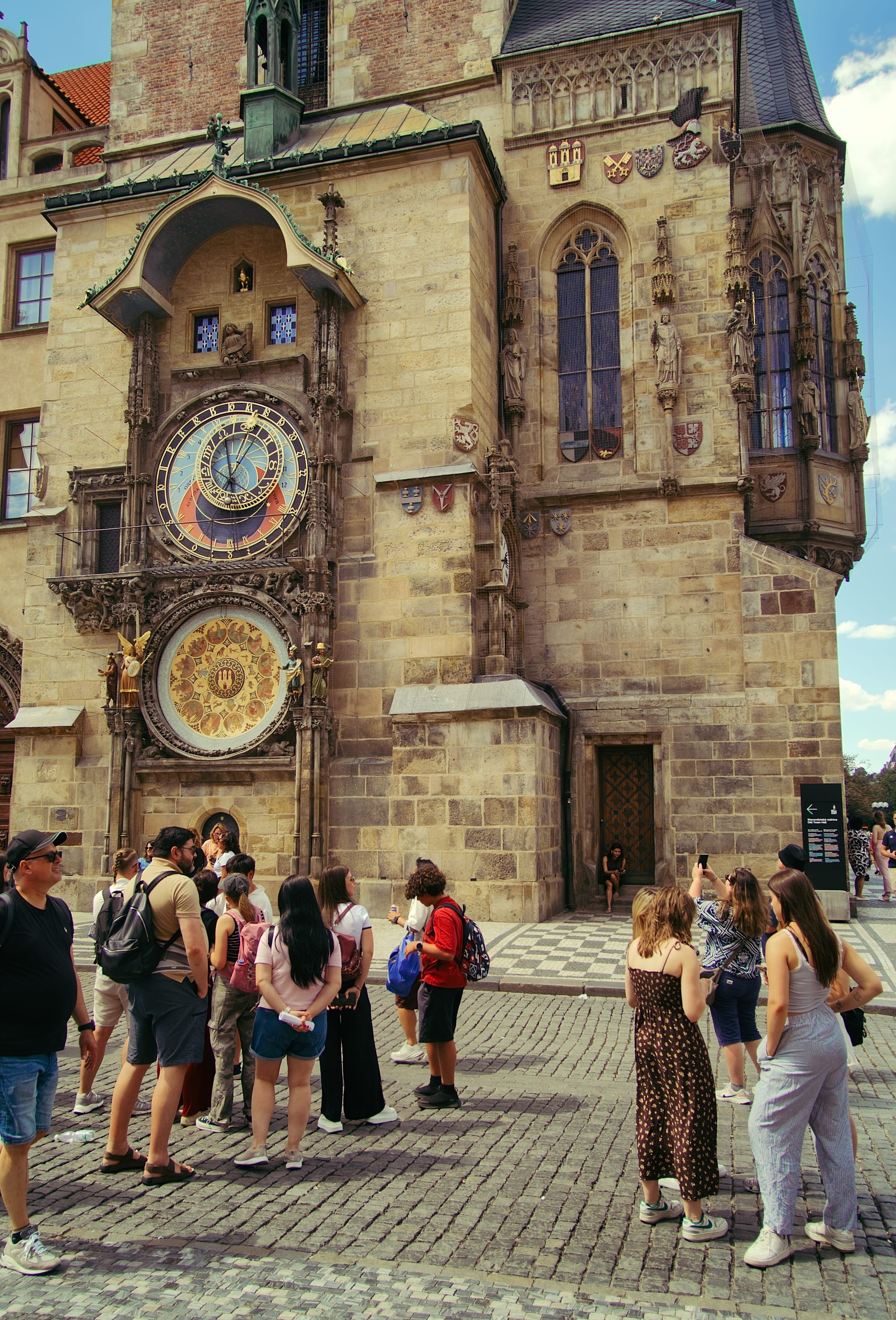
Prague is one of those cities where every street seems to offer another postcard view. The Astronomical Clock, Charles Bridge, Prague Castle and the winding lanes of the Old Town are every bit as impressive as the guidebooks suggest. They deserve their reputation.
But, as often happens when travelling with a camera, I found myself drawn just as much to the quieter moments between the landmarks.
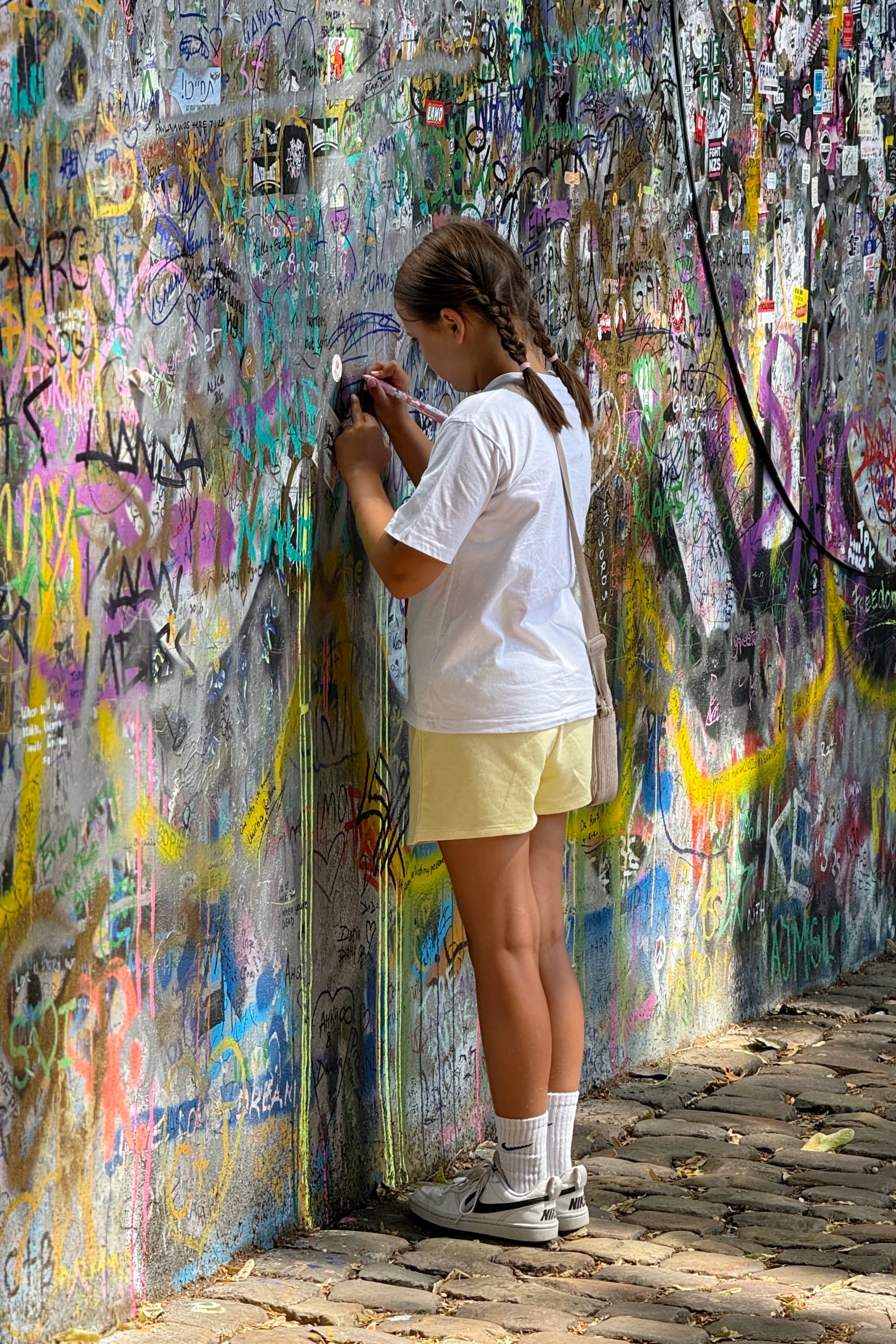
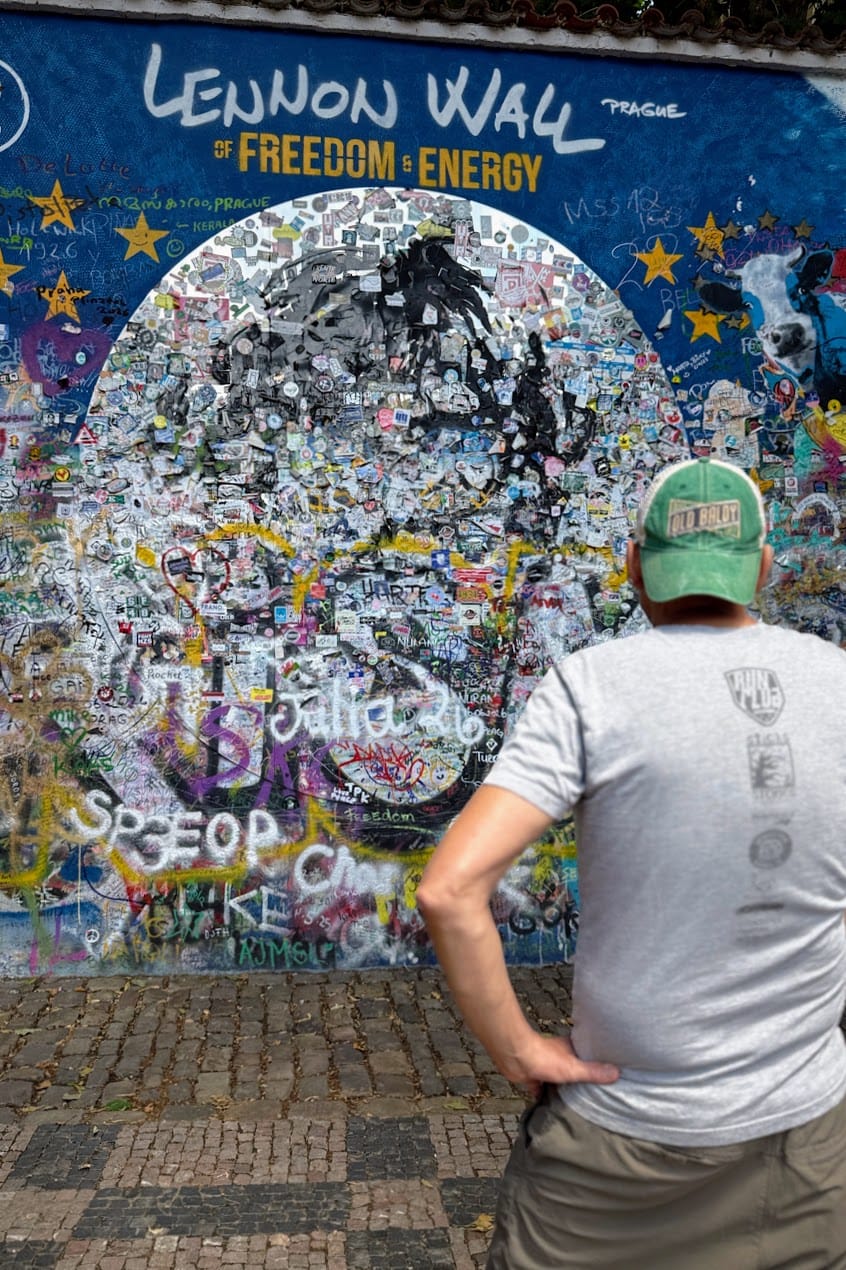
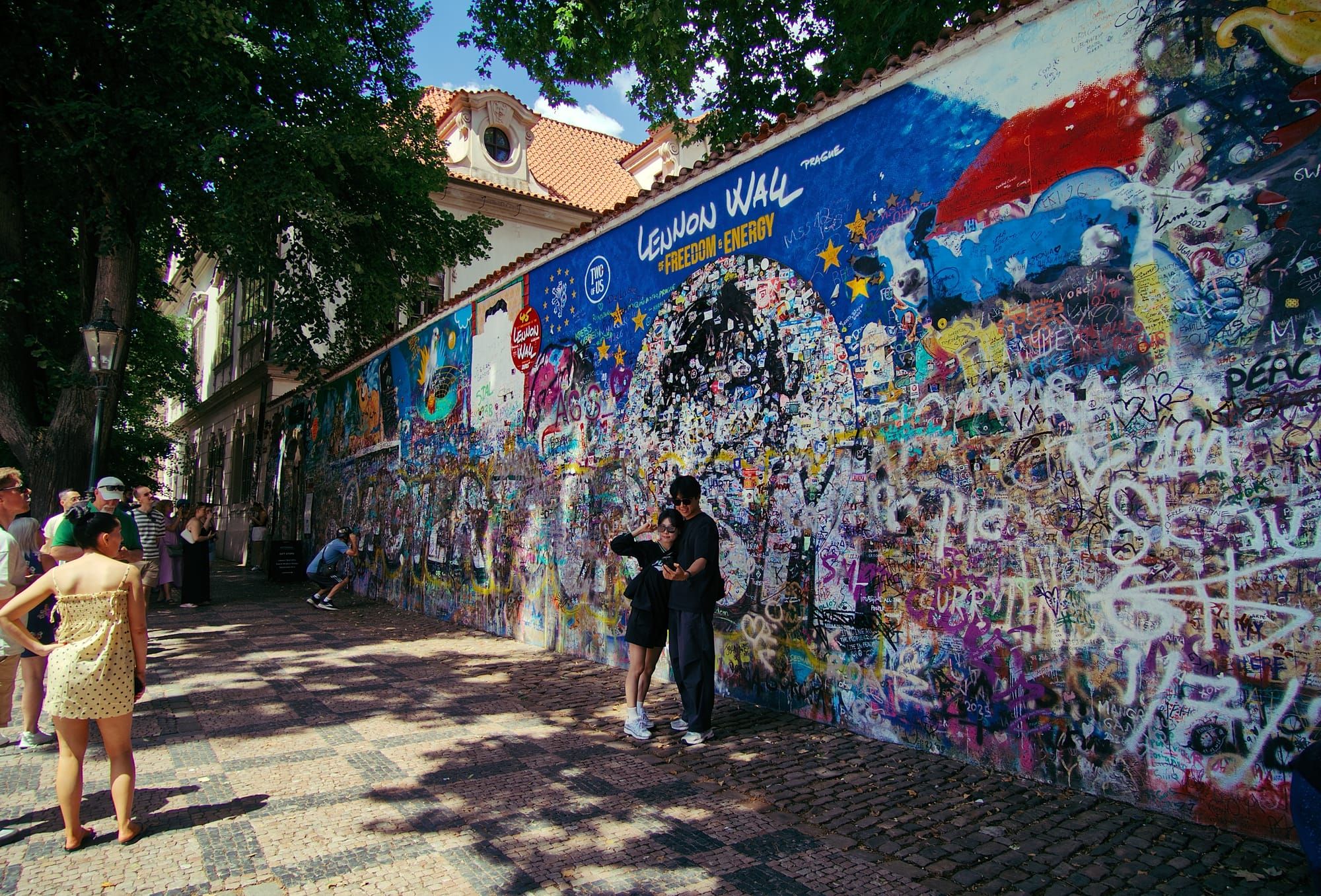
The Lennon Wall continues to evolve, with every layer of paint replacing another message left by visitors from around the world. Nearby, children add their own marks alongside decades of political slogans and declarations of peace. It is chaotic, colourful and constantly changing, a living reminder that public art never really stands still.
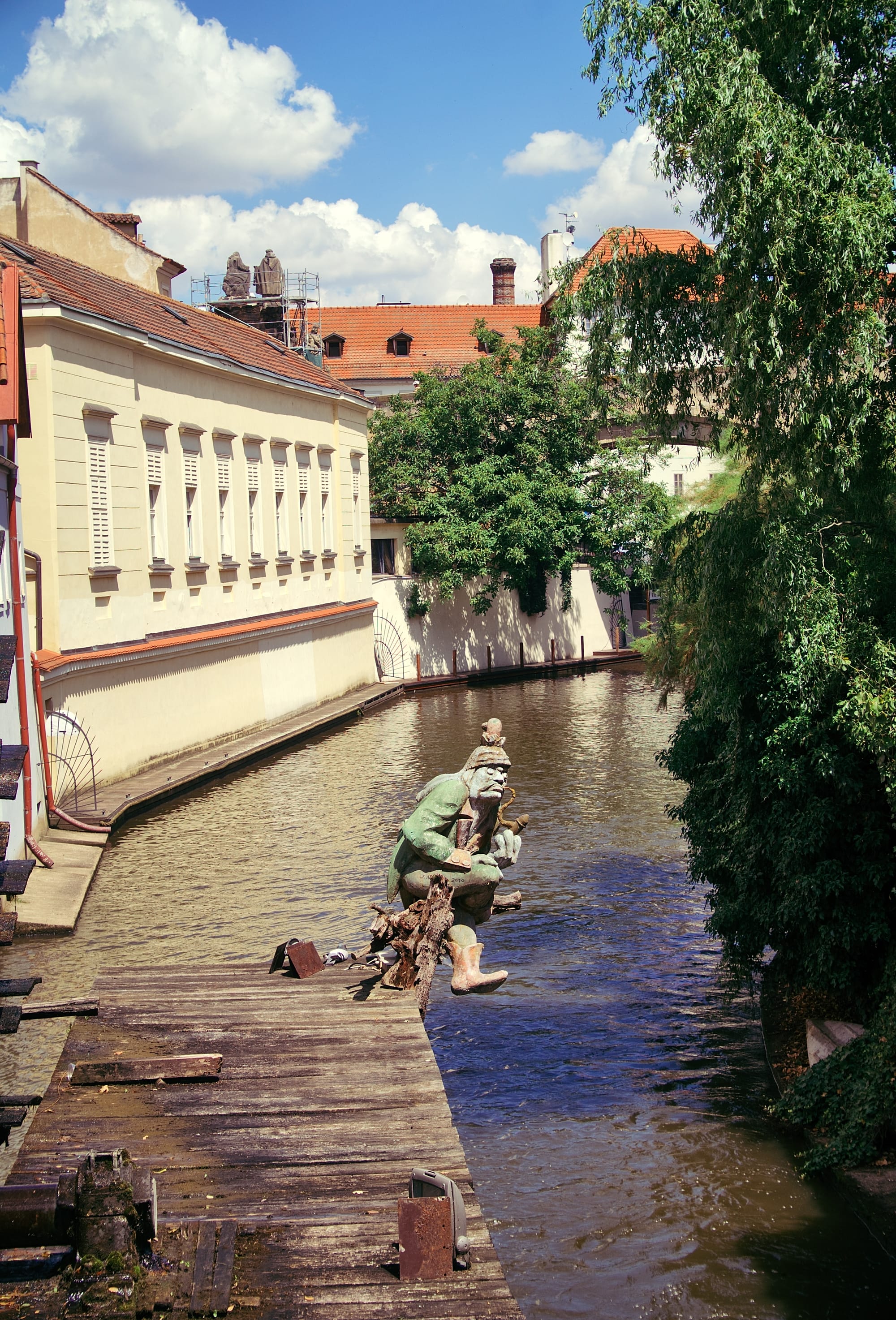
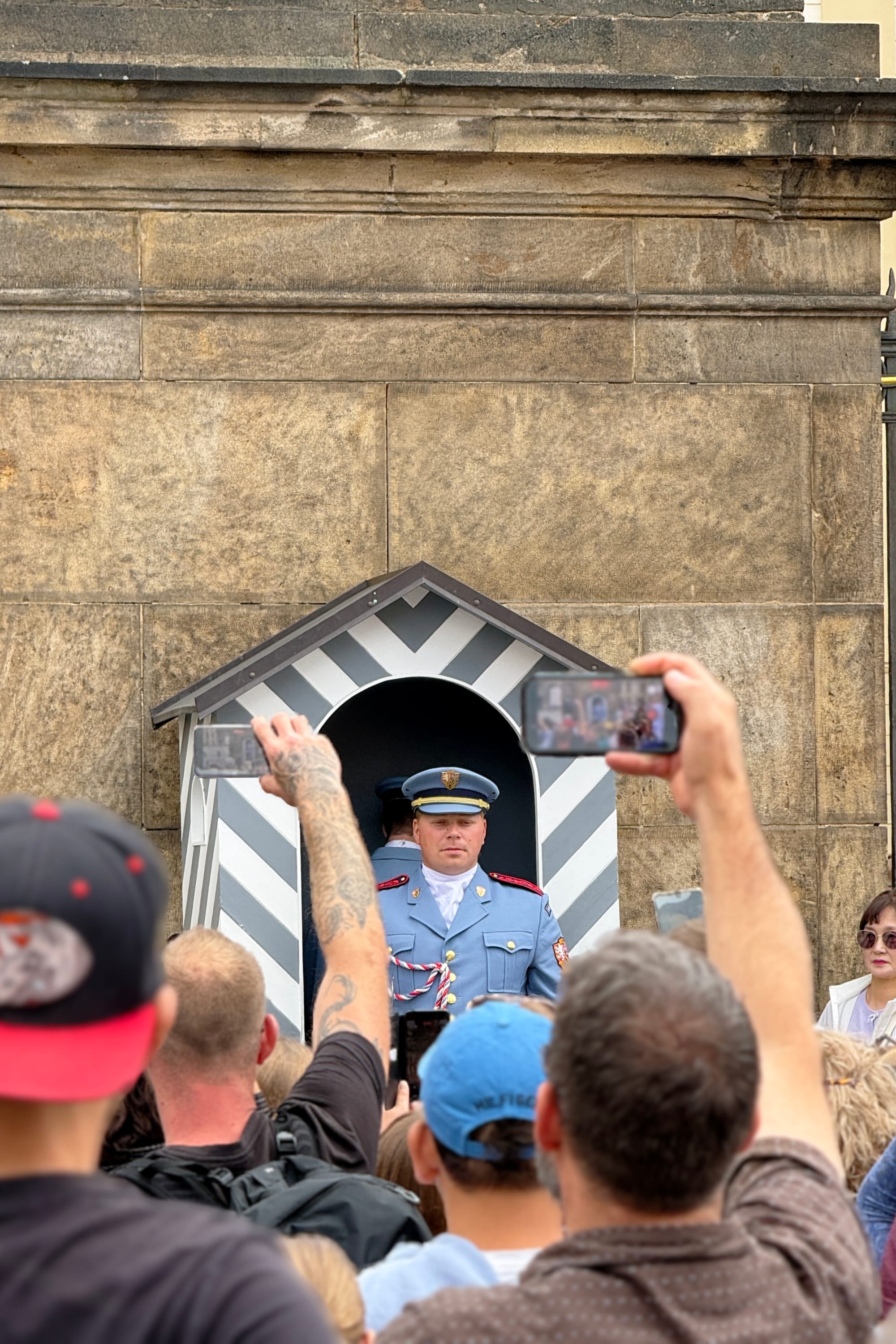
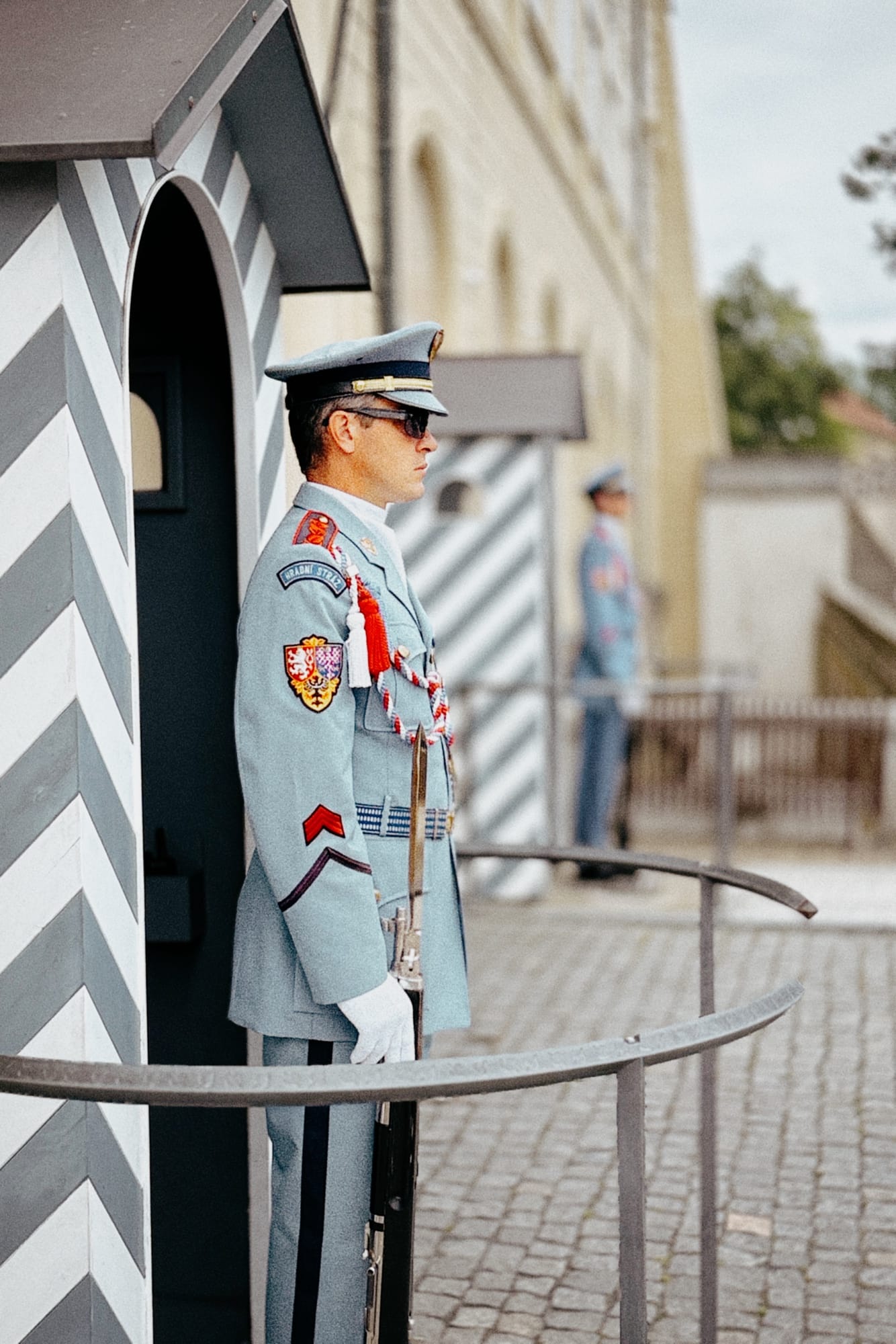
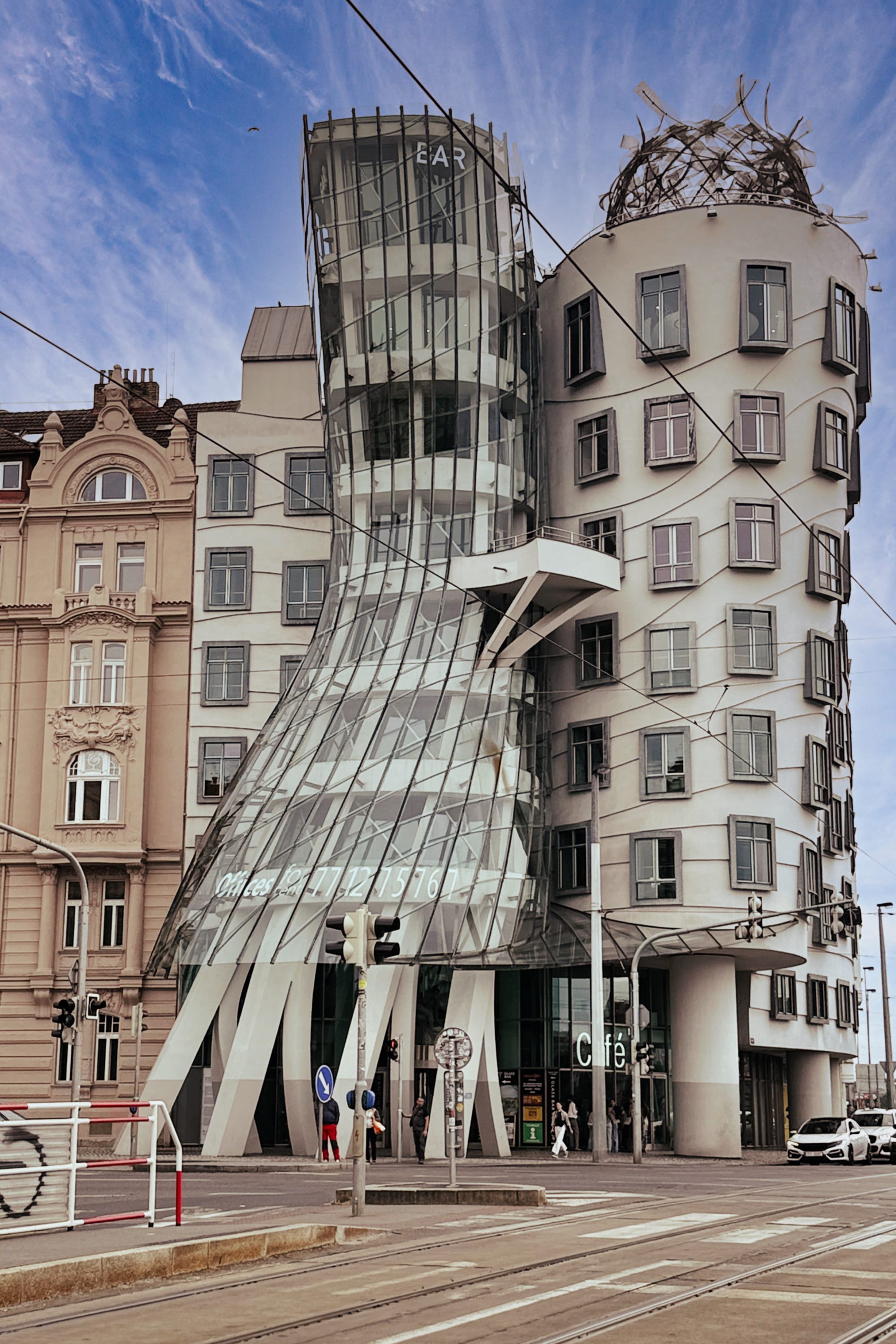
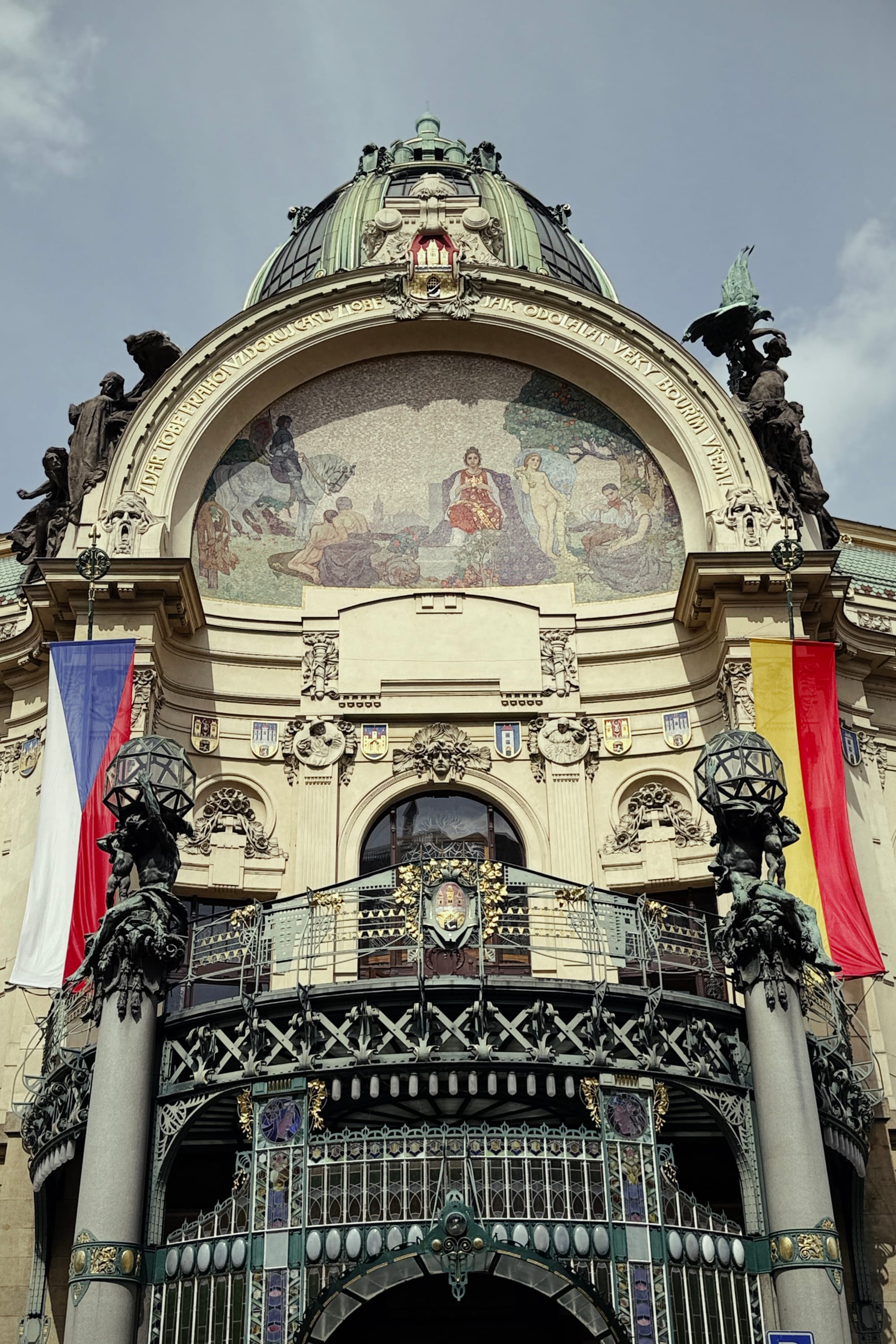
Away from the crowds, Prague reveals itself in reflections along the canals, unexpected sculptures, elegant Art Nouveau buildings and striking modern architecture such as the Dancing House. Even the changing of the guard becomes less about ceremony and more about the hundreds of mobile phones held aloft, each person determined to capture exactly the same moment.
The Museum That Stayed With Me
The surprise of the trip was the Museum of Communism, I expected a history lesson. What I found was something far more human.
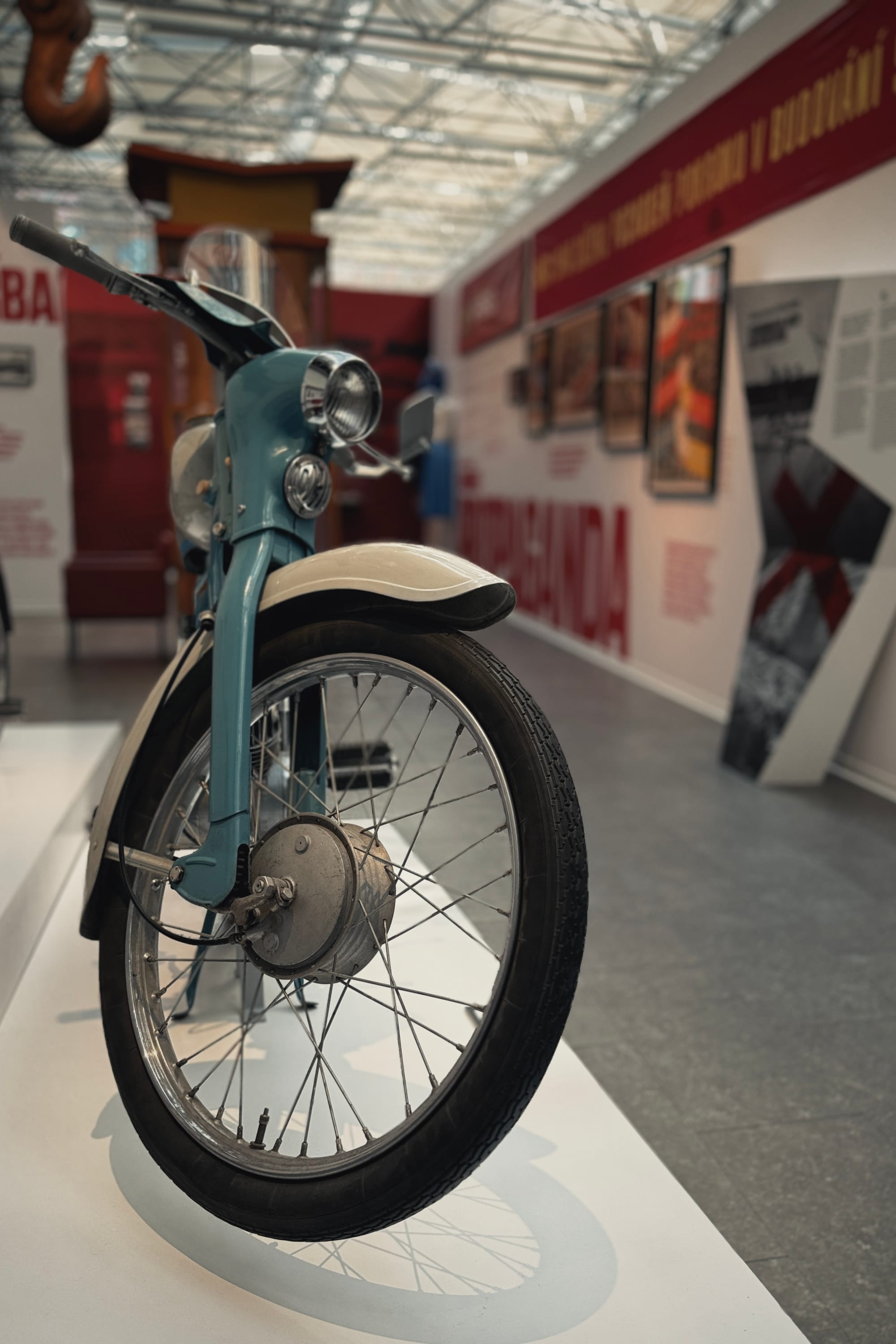
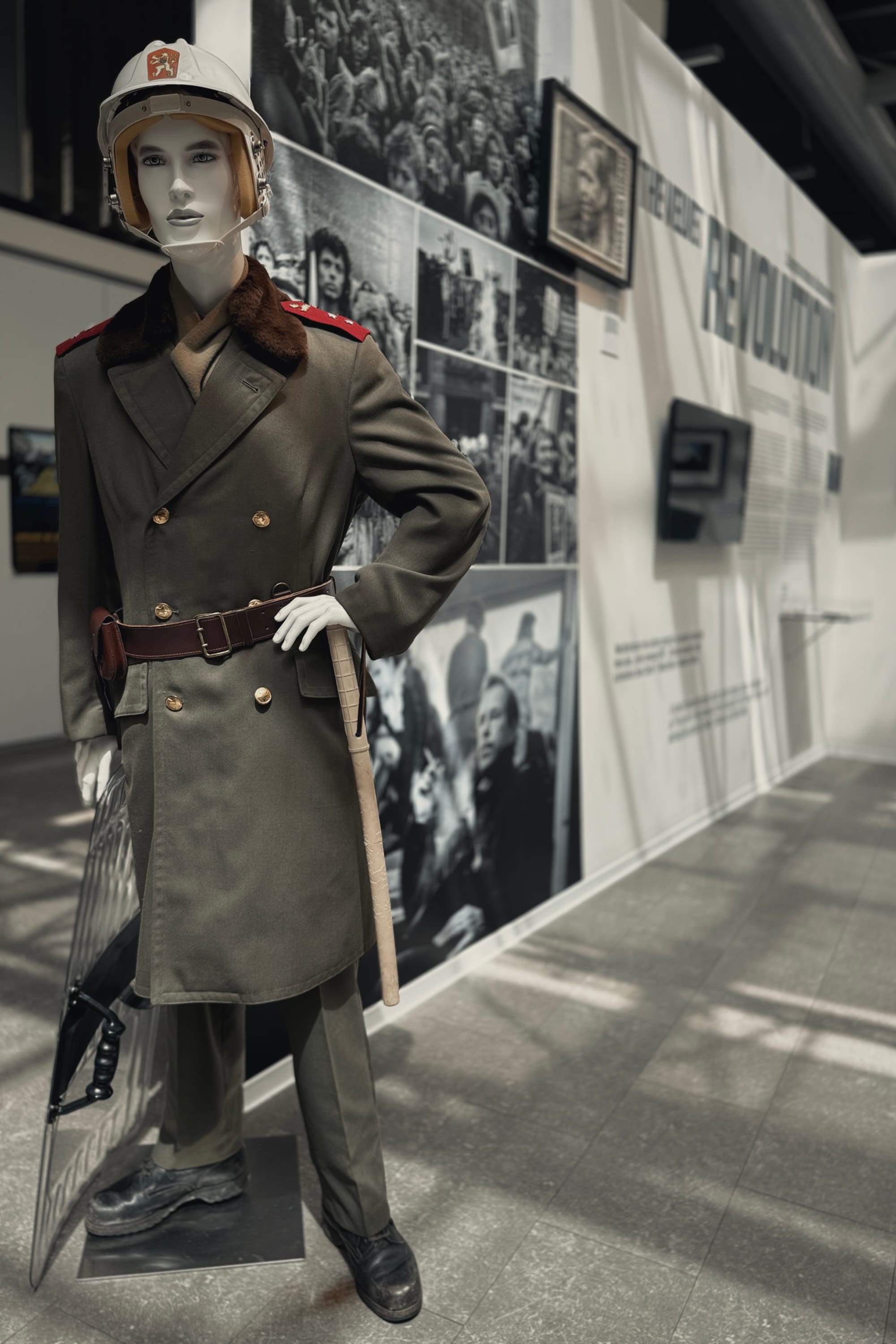
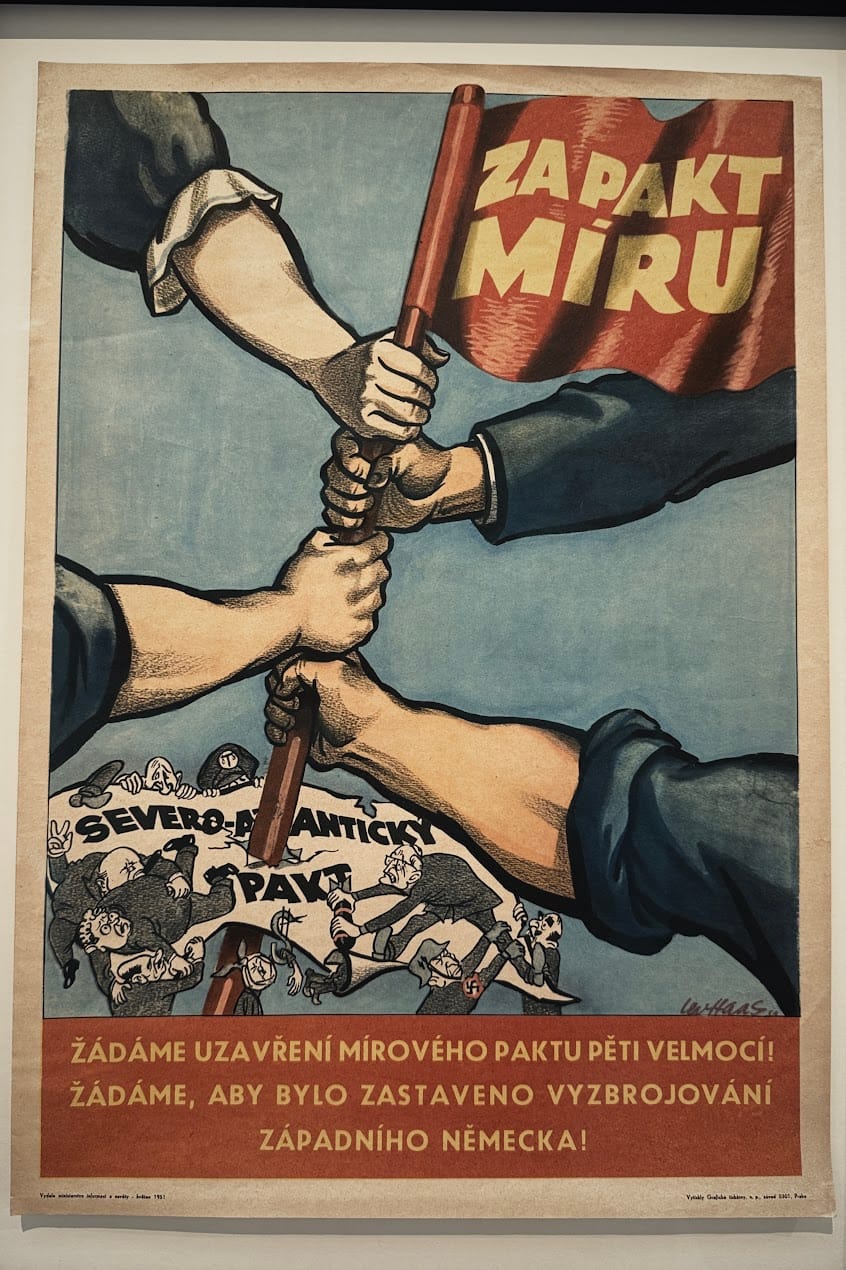
Rather than focusing solely on political events, the museum explores what everyday life was like behind the Iron Curtain. It covers education, work, propaganda, consumer life, policing and the constant presence of state control. There is no sensationalism. Instead, it quietly explains how ideology shaped ordinary lives.
For anyone who grew up during the Cold War, it provides context to events that were once daily news headlines. For younger visitors, it offers an insight into a Europe that disappeared remarkably recently.
What struck me most was how carefully the exhibits balanced the political narrative with personal stories. History is often remembered through leaders and governments, but here it is told through the experiences of ordinary people trying to live normal lives in extraordinary circumstances.
As a photographer, I found the museum surprisingly rewarding. The exhibits are thoughtfully presented, with strong graphic design, original artefacts and carefully controlled lighting that encourages observation rather than distraction. It was one of those places where the camera became secondary to simply looking.
Looking Beyond the Famous Views
Every city has its iconic landmarks, and Prague has more than most. But the photographs I will remember are not necessarily the obvious ones.
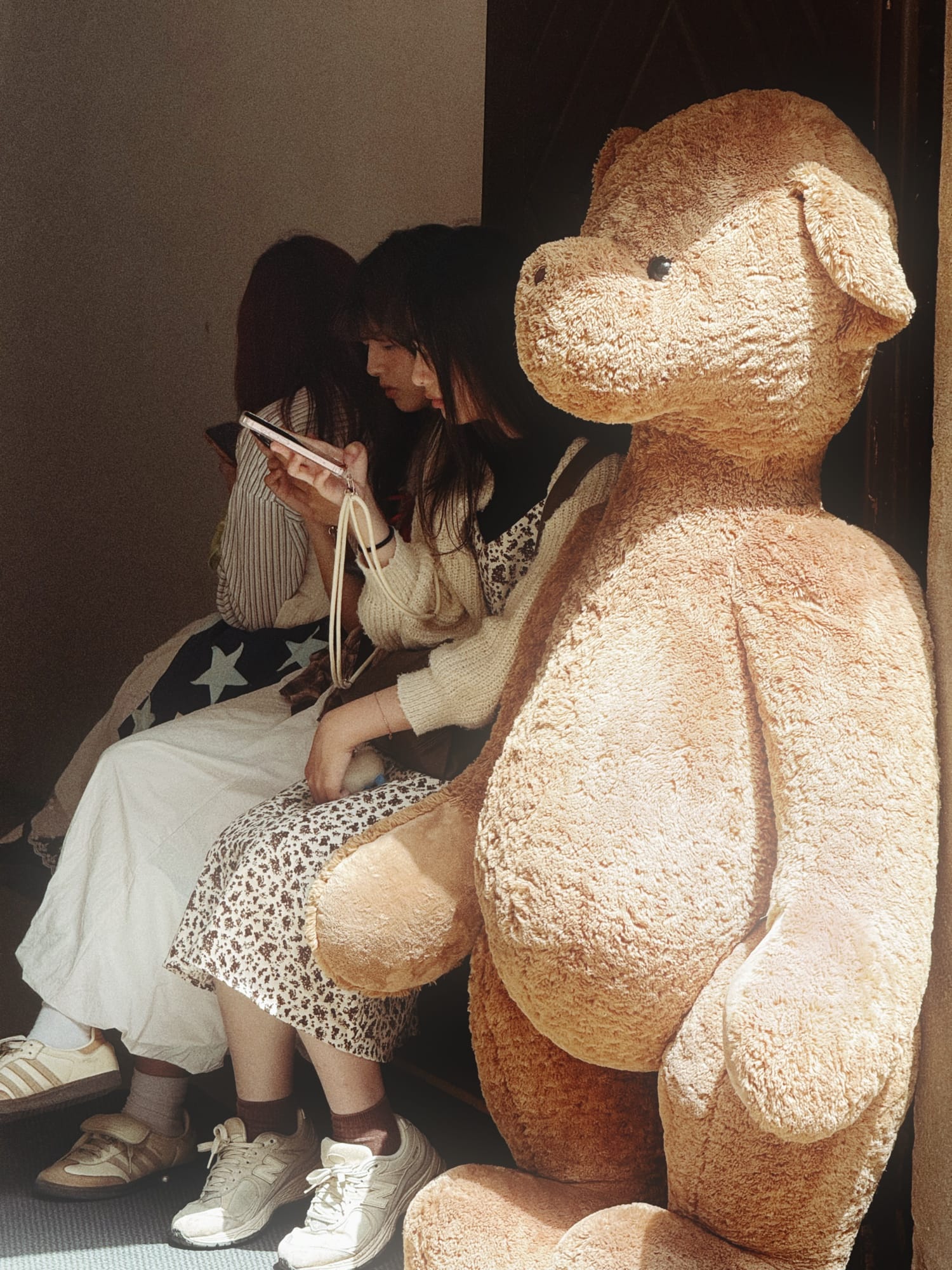
They are the young girl carefully adding her message to the Lennon Wall. The solitary guard standing perfectly still while dozens of cameras surround him. The oversized teddy bear sitting quietly beside visitors lost in their phones.
The museum exhibits that reminded me how recent European history really is.
Sometimes the most memorable part of a city isn't what everyone comes to see. It's the places that make you stop, think, and leave with a better understanding of how people lived, and how societies change.


